
THE STORY OF
AUTHENTIC
LABRADORITE
FROM THE COAST OF LABRADOR
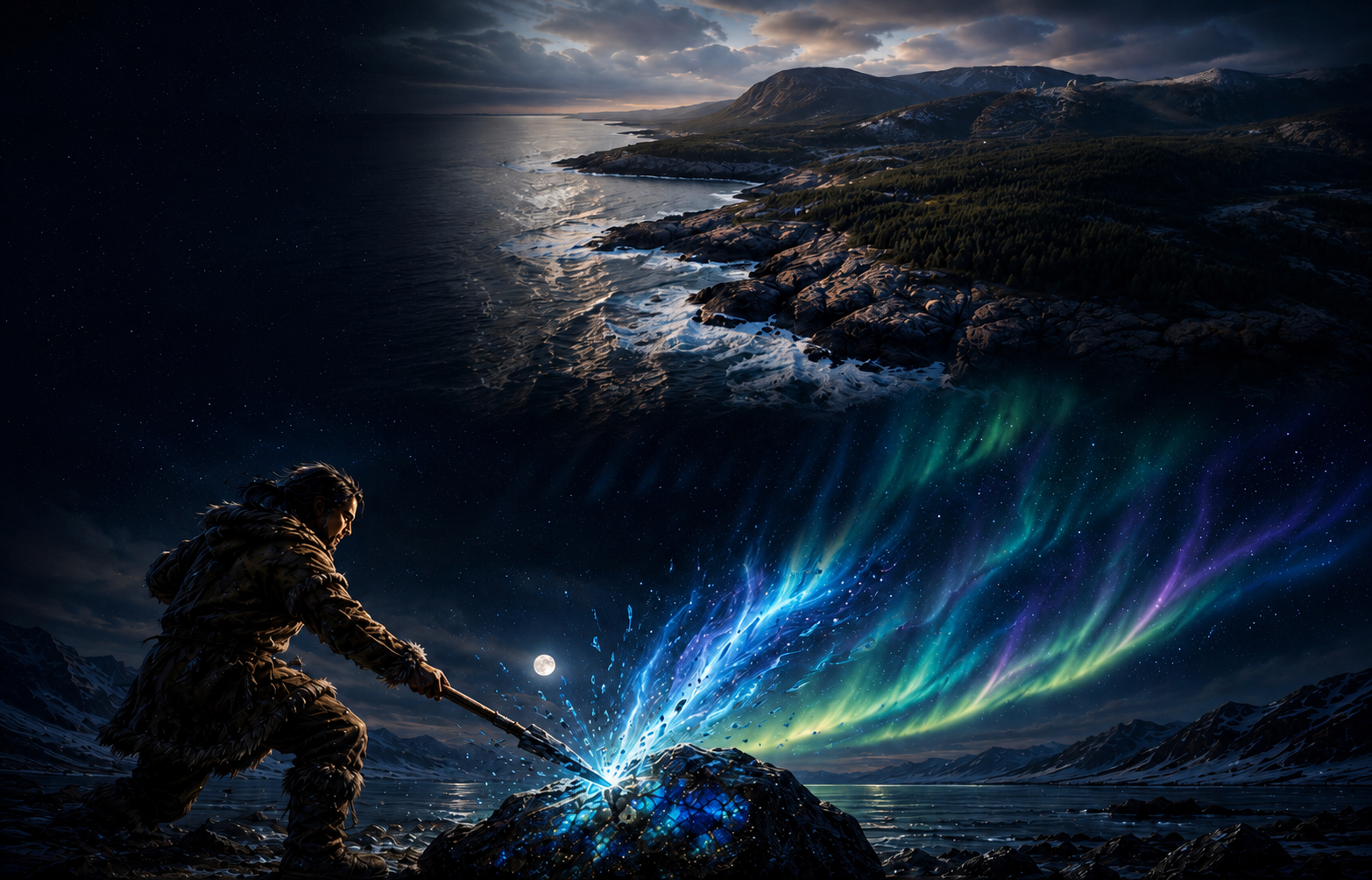
The striking similarity of Labradorescence to the northern lights had long inspired a host of Inuit legends
Our Labradorite originates from the rugged coast of Labrador, Canada - the very place where Labradorite was first discovered and named.
First documented in 1770, this extraordinary stone has captivated architects, designers, and collectors for generations with its signature flashes of electric blue light.
Formed over 1.3 billion years ago, Blue-Eyes Labradorite is a rare geological treasure and an enduring symbol of Canada’s natural heritage.
A LEGEND OF LIGHT
Long ago, the Inuit spoke of a hunter who saw light imprisoned in rock. He struck the stone with his spear, freeing some of the light to become the northern lights. The light that remained within the stone is the Labradorescence we see today.
A STONE LIKE NO OTHER
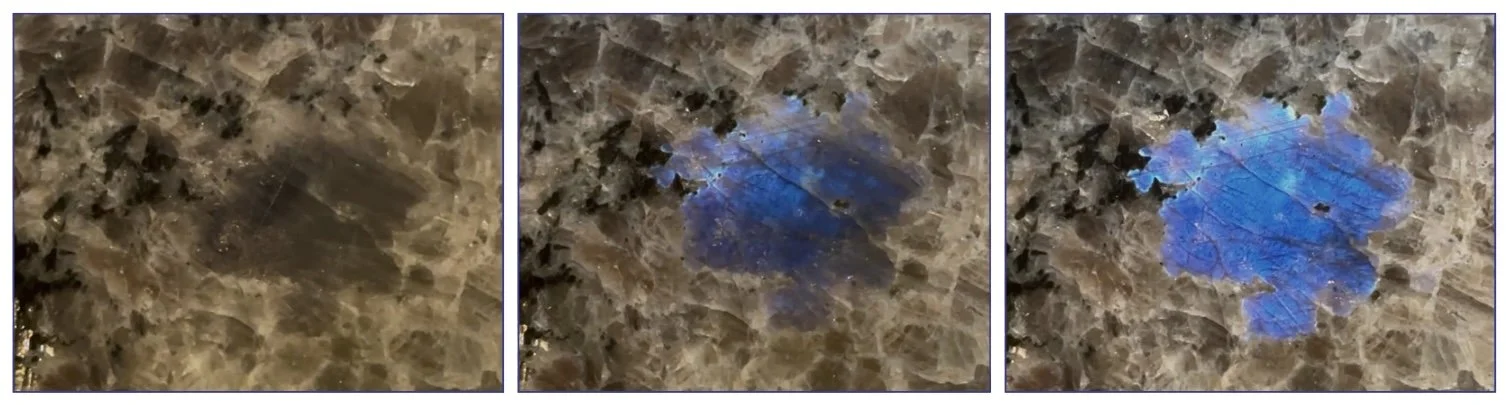
Labradorescence is an optical phenomenon caused by light reflecting between layers within the stone’s unique crystal structure. The result is a natural iridescence that appears to move and change with every shift in light and perspective.